Monks, Ajarns, and Ruesi — What Is the Difference?
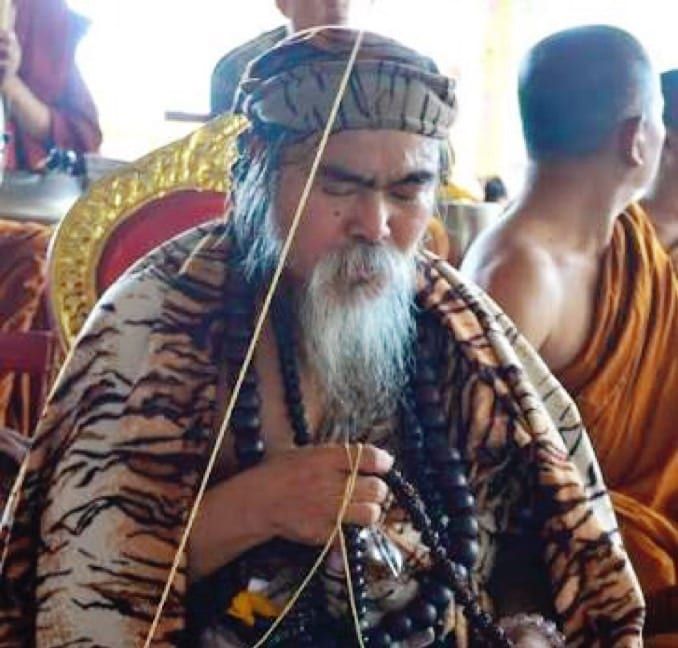
These three identities are often confused by people encountering Thai traditional culture for the first time.
They are not the same.
🪷 Buddhist Monks — พระสงฆ์ Buddhist monks belong to the Sangha and live according to monastic discipline.
Their primary identity is that of ordained practitioners within Buddhism.
A monk should therefore not automatically be described as a folk ritual master or “magician.”
🪷 Ajarn / Achan — อาจารย์ The Thai word อาจารย์ (Ajarn or Achan) broadly means “teacher,” “instructor,” or “master.”
In ordinary Thai life, even a university lecturer may be called Ajarn.
Within traditional spiritual contexts, however, the title may also refer to a teacher knowledgeable in particular forms of ritual practice, yantra traditions, Sak Yant, astrology, or other inherited knowledge.
Therefore, “Ajarn” is not one specific religious office.
A person’s actual background, training, and lineage need to be understood individually.
🪷 Ruesi — ฤๅษี Ruesi traditions are connected to the ancient ascetic and sage traditions of South and Southeast Asia.
Ruesi imagery and beliefs have influenced Thai performing arts, traditional medicine, teacher-veneration traditions, and some ritual lineages.
Therefore:
Monk ≠ Ajarn ≠ Ruesi.
Understanding these distinctions makes the wider landscape of Thai Buddhist and traditional belief culture much easier to understand.